Board-Up & Roof Tarping in O'Fallon, MO
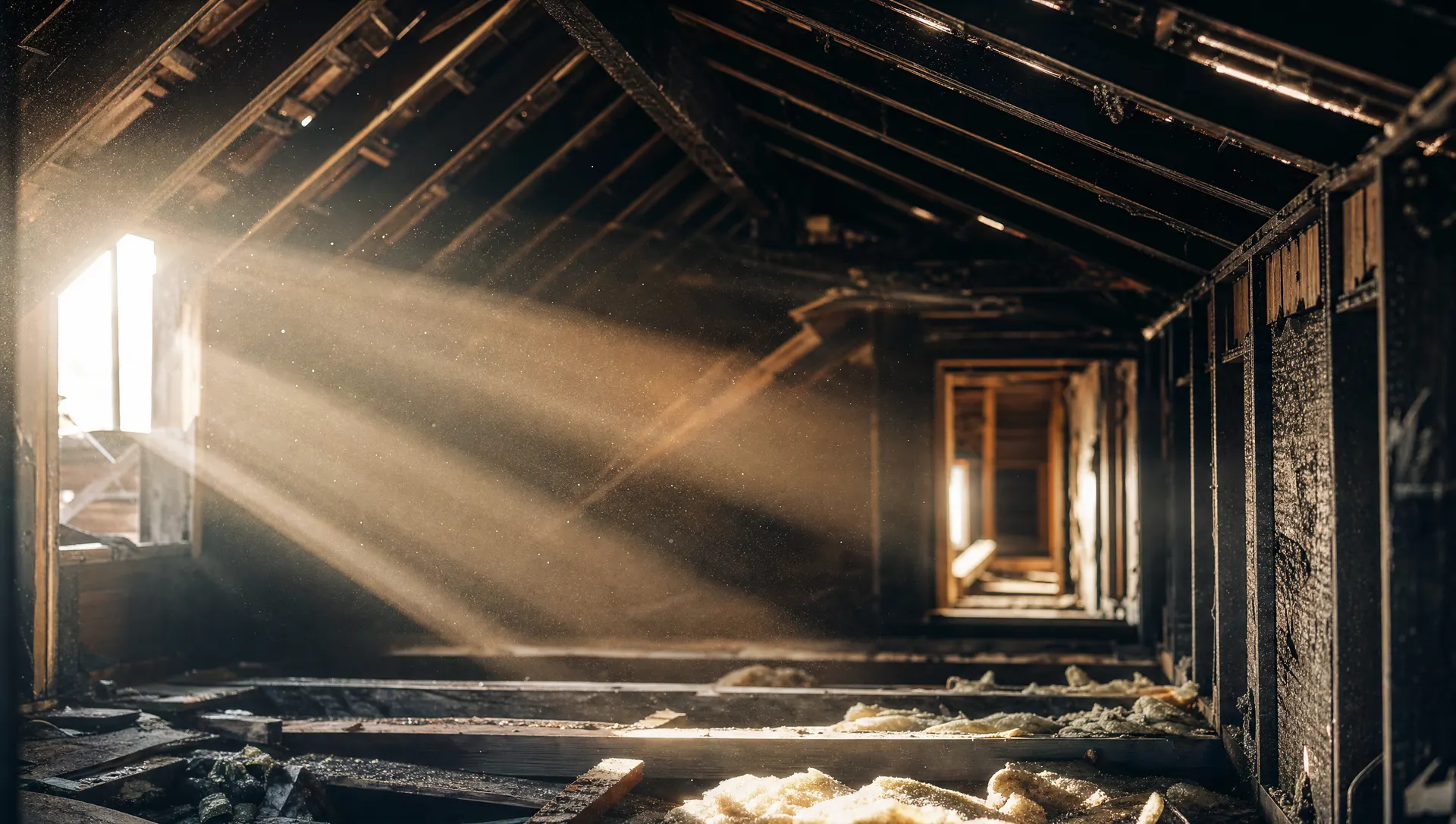
A house the fire department just cleared is not a closed house. Firefighters break windows to vent smoke, doors get forced, and a section of roof may be burned through or cut open during the fight against the fire. Until that gets covered, your home is exposed to weather, animals, and anyone who notices it looks empty. O'Fallon Fire Damage provides board-up and roof tarping across O'Fallon and St. Charles County — usually the first job on any fire recovery, and usually the fastest one to schedule. It is also the job that protects every other step that follows: cleaning, drying, and repair work all depend on the building being closed up and dry first.
None of this applies until the fire is actually out and the property has been handed back to you. If there is still an active emergency, call 911 first.
What Board-Up & Roof Tarping Includes
- Plywood board-up of broken or removed windows and doors, cut and fitted to each opening rather than a generic patch
- Tarping of open or compromised roof sections to stop rain and weather intrusion before it becomes a second loss
- Securing any other structural openings created by the fire itself or by firefighting operations, including vent stacks and roof cuts made to release smoke
- Basic site safety — clearing debris that creates a hazard at entry points
- Garage door and secondary-entry security when the fire started in or reached the garage, a common origin point in this area
- Documentation photos of the damage and the securing work, useful for your insurance claim
Securing a Home in O'Fallon After a Fire
O'Fallon's subdivisions sit close together, with homes visible from the street and from neighboring yards, which cuts both ways after a fire — it means a damaged, unsecured house draws attention fast, and it means neighbors and HOA expectations alike push toward getting it covered up quickly rather than left open. Missouri weather does not wait for convenience either: a spring storm rolling through St. Charles County can put a soaked ceiling and a second round of water damage into a house that was still just smoke-damaged the day before. On a roof with an open section from the fire, from ventilation cuts, or from wind and hail that happened to hit around the same time, tarping is what stands between a contained fire loss and a much bigger water loss. Attached garages, common across nearly every subdivision built in the area since the 1990s, add another entry point that needs the same attention as windows and doors — a garage that housed the fire, or that took damage from heat and firefighting water, often has a compromised overhead door that will not seal the way it used to.
When to Call for Board-Up or Roof Tarping
As soon as the fire department releases the property to you — this typically happens the same day as the fire, sometimes within hours. Any broken window, forced door, or open roof section should be treated as urgent, regardless of how the rest of the insurance and cleanup process is going. Waiting even a day or two adds real risk: an overnight rain through an untarped roof, or an unsecured door left open, can turn a fire loss into a fire-and-water loss or a fire-and-break-in loss. This holds true even for damage that looks minor — a single cracked window or a small roof cut from ventilation work during firefighting is still an opening, and openings do not stay small once weather and time work on them.
What Board-Up & Tarping Typically Costs
This is the least expensive part of fire recovery relative to what it protects. Board-up of a window or door typically runs on the order of a hundred to a few hundred dollars per opening, depending on size and how many are needed. Roof tarping typically runs a few hundred to around fifteen hundred dollars depending on how much of the roof needs to be covered and how steep or difficult the access is. Cost drivers are the number and size of openings, the roof area involved, and how quickly the work needs to happen. Given how much a single missed opening can cost in follow-on water or weather damage, this is rarely the place to shop around for the lowest price. Multiple openings on the same visit — say, two windows and a section of roof from a single kitchen fire that got out of hand — typically cost less combined than booking each as a separate call, since setup and site access overlap.
Does insurance cover board-up and tarping?
Usually, yes. Most standard homeowners policies expect reasonable steps to prevent further damage after a covered loss, and board-up and tarping are exactly that kind of step — insurers generally want a structure secured quickly rather than left open to the weather. Keep the invoice and photos of the work; that documentation typically gets submitted along with the rest of your claim. Some policies also treat delayed mitigation as a factor in how a claim gets evaluated, which is one more reason to get openings covered promptly rather than waiting on a claim decision first.
How long does a tarp or board-up last before it needs replacing?
A properly installed tarp is meant to be a short-to-medium-term fix, typically holding up for several weeks to a couple of months depending on weather exposure, not a permanent roof solution. Board-up on windows and doors can hold longer, but it is still temporary security, not a repair. Either should be checked periodically and replaced if wind or weather damages it before the permanent repair happens.
Can board-up and tarping happen at night or on a weekend?
Fire does not wait for business hours, and neither does the need to secure a property after one — reach out any time, day or night, and we will work to get board-up and tarping scheduled as quickly as the situation allows.
Get It Secured
An open window or an untarped roof is doing damage every hour it stays that way. Tell us what needs to be covered and we will get board-up or tarping moving, anywhere in the O'Fallon area.
Need Help in O'Fallon Right Now?
Tell us what you need and we'll get back to you fast with a free, no-pressure quote.